



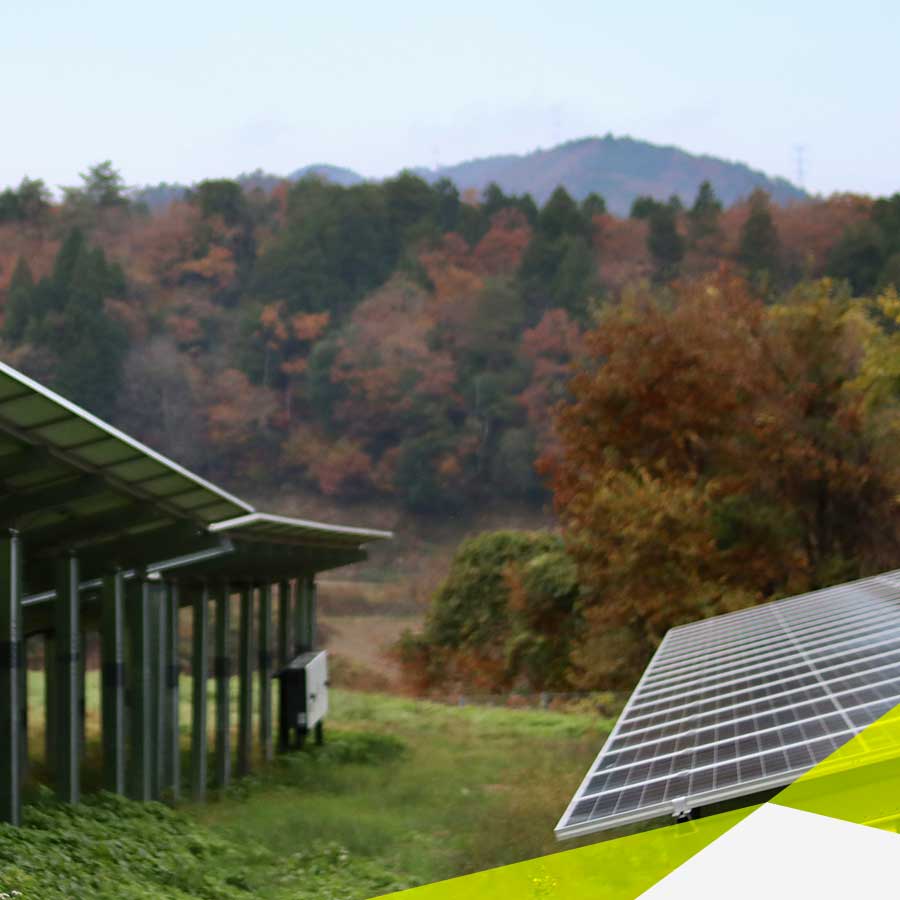
Project developers like hep solar can either purchase or lease suitable land. In practice, leasing is usually preferred because it is economically more attractive for both parties: Landowners benefit from long‑term, stable income — and the project developer ties up less capital over the entire lifetime of the solar park.
これほど迅速かつ費用対効果の高い形で導入できるエネルギー源は、他にありません。
だからこそ私たちは、強力なパートナーや経験豊富な現地チームと連携しながら、世界各地で太陽光発電プロジェクトの開発、建設、運営、そして資金調達に取り組んでいます。
それこそが、私たちが描く現代的なエネルギーの未来です。

Frequently Asked Questions About Photovoltaics
In principle, any area is suitable
… as long as it is not located within a protected zone (nature, landscape, or bird sanctuary) or classified as a peatland or floodplain. However, federal guidelines prioritize sites that are disadvantaged and socially compatible.
Solar Energy
Solar energy is one of the renewable energy sources and therefore among the most sustainable forms of energy generation. Although greenhouse gases are emitted during the production of components, the construction of the system, and its decommissioning or recycling, these emissions are fully offset after just a few years of operation.
Resource‑efficient use of materials and the preservation of material cycles are important to us. That’s why we prioritize quality and durability right from the procurement stage and source components exclusively from “Tier‑1” manufacturers certified by BloombergNEF.
The Performance of a Solar Park
… is determined by how much electricity it produces in relation to its size. To assess this, the share of the potential yield that is actually achieved is measured. In other words: its installed nominal capacity is compared with its specific yield. This allows operators to evaluate the system’s efficiency.
Solar Cells
Solar cells are the smallest building blocks of a solar power system.
They consist of thin semiconductor layers that convert sunlight into electrical power.
Solar Modules
Multiple solar cells are connected to form a solar module, which is then protected by glass and a frame.
A module is essentially the finished “solar panel” that is installed on rooftops or ground‑mounted systems.
Solar Parks
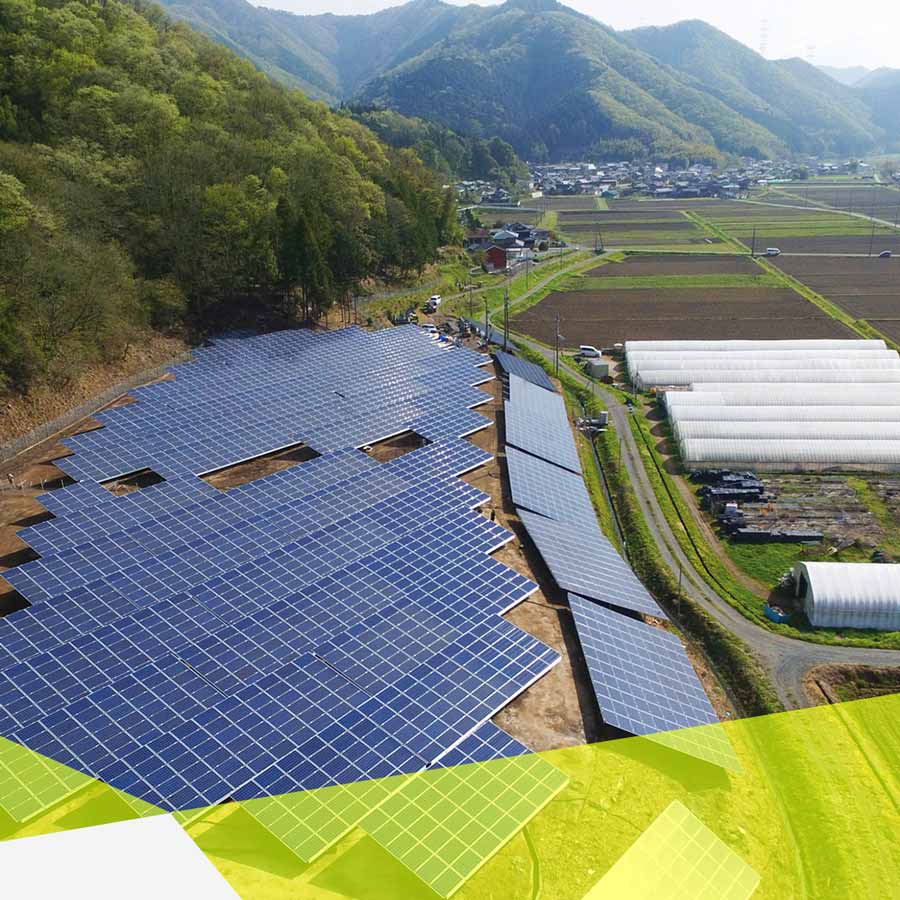
A solar park is a large‑scale power generation facility made up of hundreds or even thousands of solar modules.
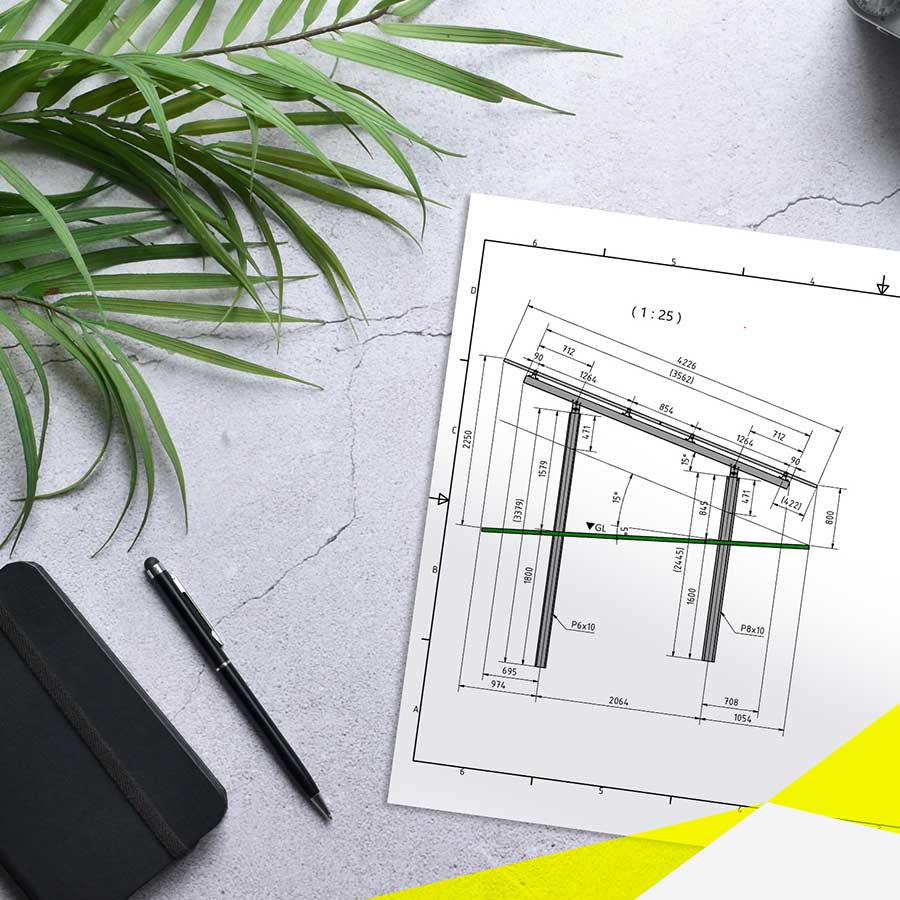
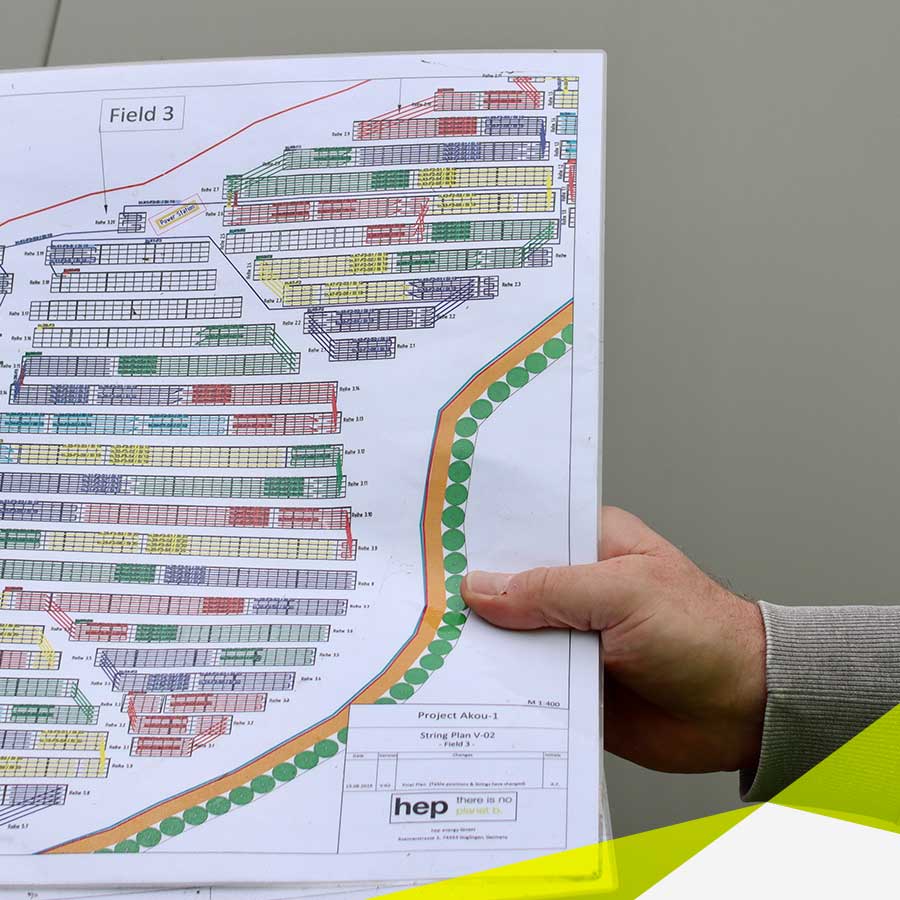
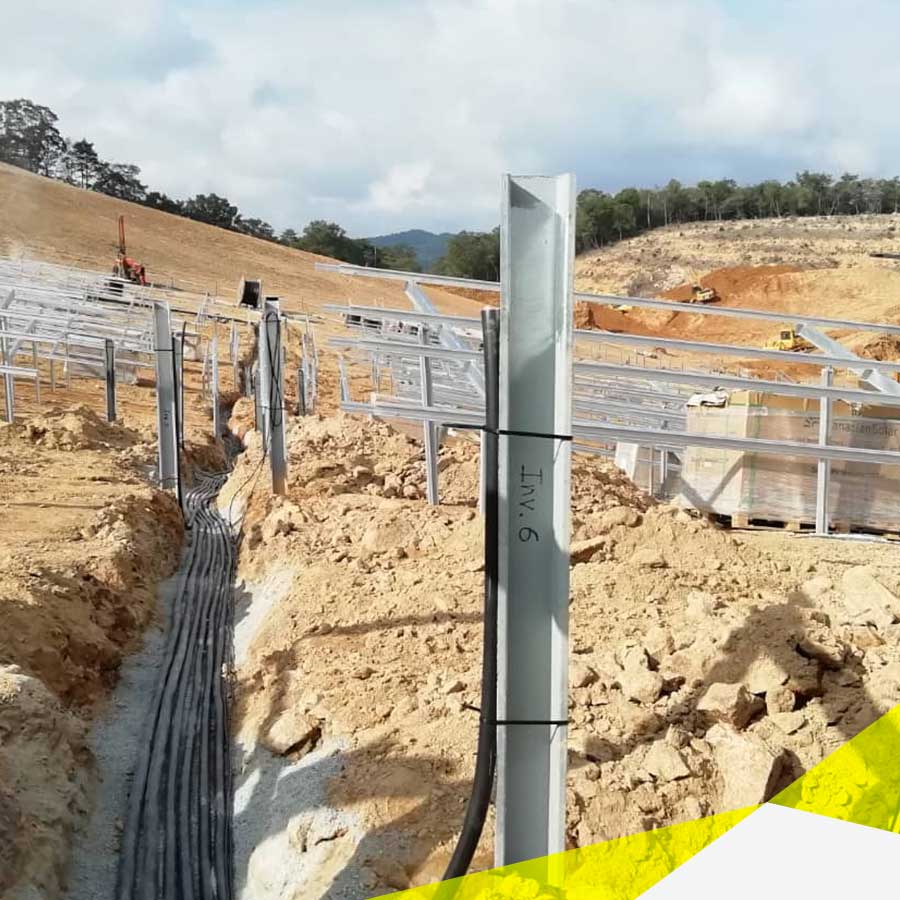
These modules are mounted on racks and interconnected to produce direct current (DC).
Inverters then convert the DC electricity into grid‑compatible alternating current (AC), which is fed into the power grid.
Availability of Grid Capacity
Before a solar park is built, hep solar’s project development team checks whether the electricity generated can be fed into the existing high‑voltage grid of the local grid operator.
If the available capacity is insufficient, the costs for expanding the grid at the connection point are calculated and evaluated. Only once sufficient grid capacity is ensured is the solar park constructed.
The electricity produced is then distributed to end consumers by the grid operator.
Recycling of Photovoltaic Modules
Photovoltaic modules are primarily made of aluminum, glass, and various plastics. With today’s technology, these materials can be recycled relatively easily. The European Union currently requires a collection rate of at least 85% for the recycling of PV modules. In addition, ongoing research focuses on developing new recycling methods to ensure that no valuable raw materials are lost.
Clear Legal Requirements
At all our locations, strict legal requirements apply to the construction of solar parks and to compliance with environmental protection standards.
Therefore, even before construction begins, we obtain comprehensive environmental assessments that ensure we can meet all regulations and legal requirements once the lease expires — including those necessary for dismantling the solar park and restoring the land to its natural state.
太陽光エネルギーは 未来に おいて どのような 役割を 果たすのか?
世界の電力需要は今後も着実に増加すると予測されています。
McKinseyの予測によると、今後25年間で世界の電力需要は現在の2倍、場合によっては3倍に達する可能性があります。
こうした需要の拡大に対応するため、世界各国は再生可能エネルギーへの移行を加速させており、その中心的な役割を担うのが太陽光発電です。
2024年には、世界で新たに導入された発電設備容量の40%を太陽光発電が占めました。一方で、石炭や天然ガスなどの化石燃料による新規設備導入の割合は縮小傾向にあります。
太陽光発電は、世界的なエネルギー転換を支える重要な柱として、未来の持続可能な社会の実現に欠かせない存在となり、今後ますますその存在感を高めていくでしょう。