

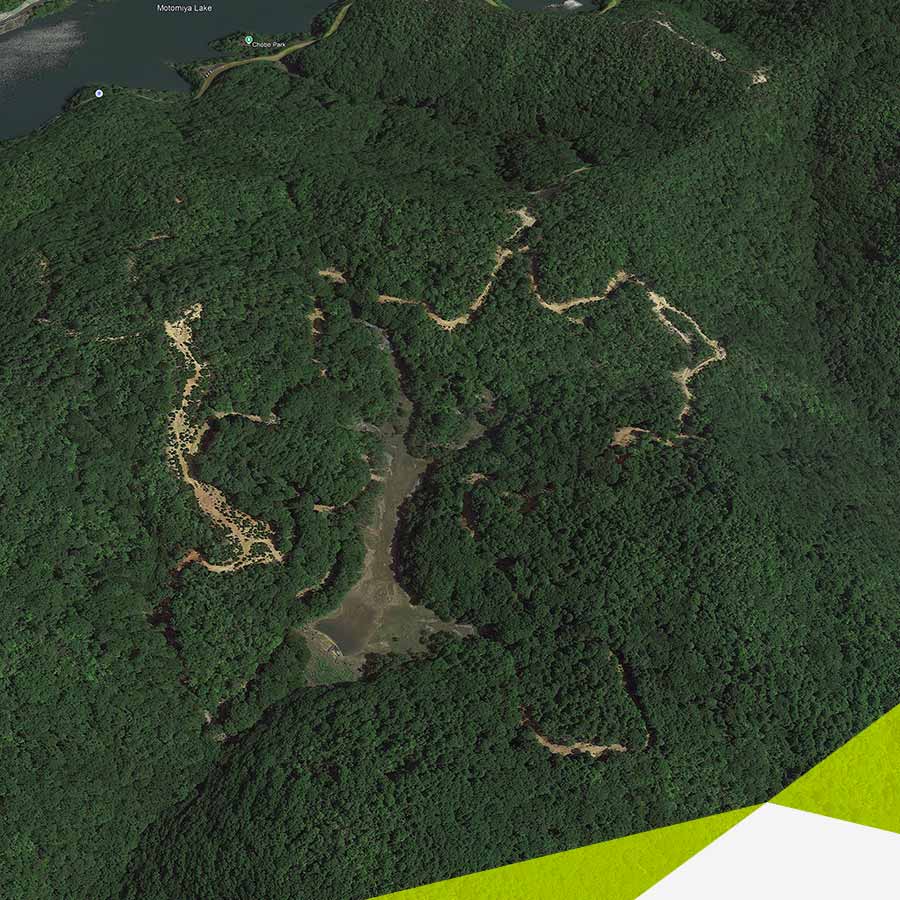
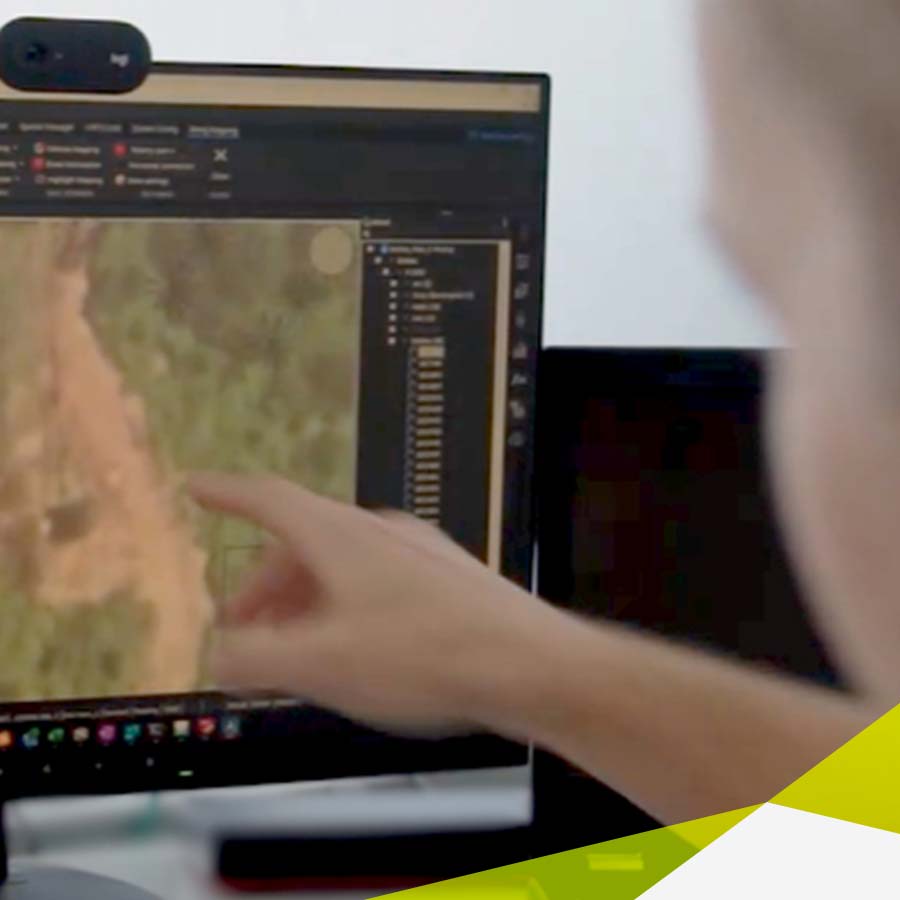
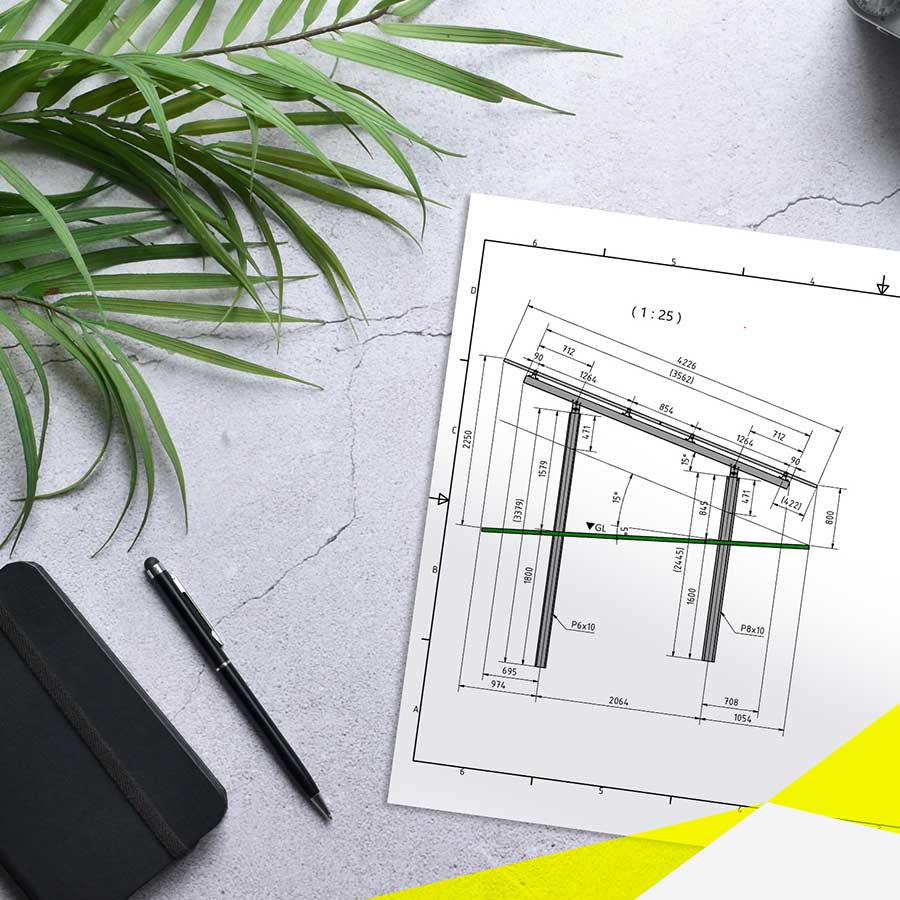
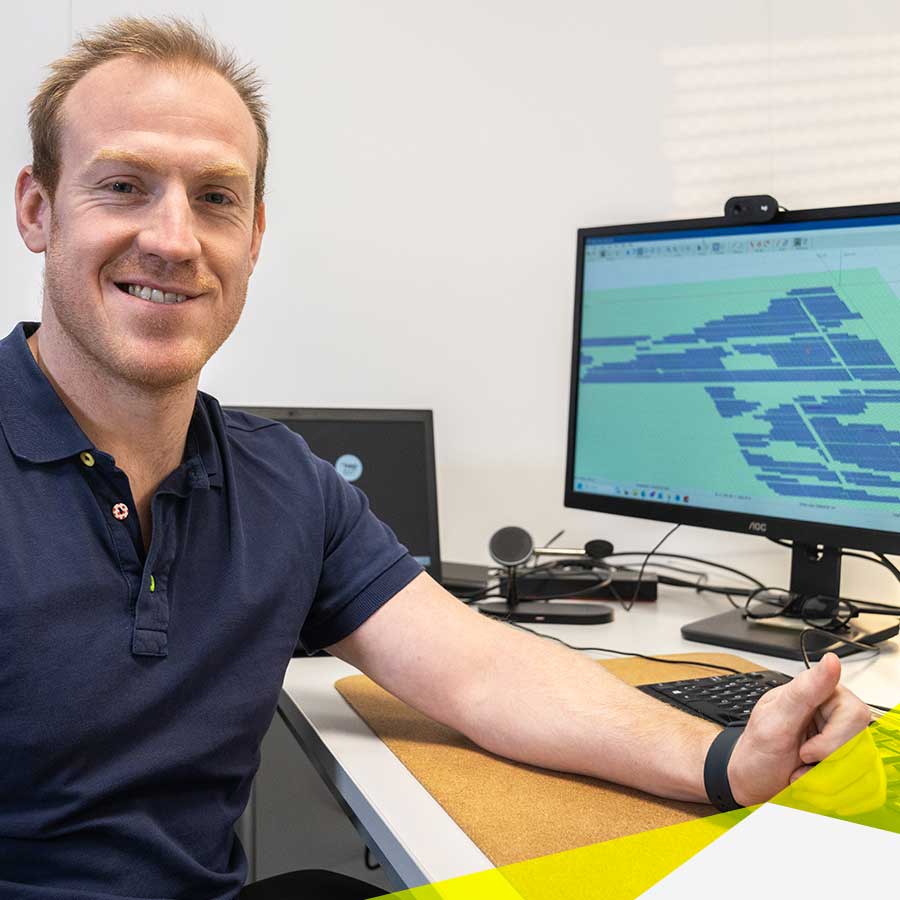
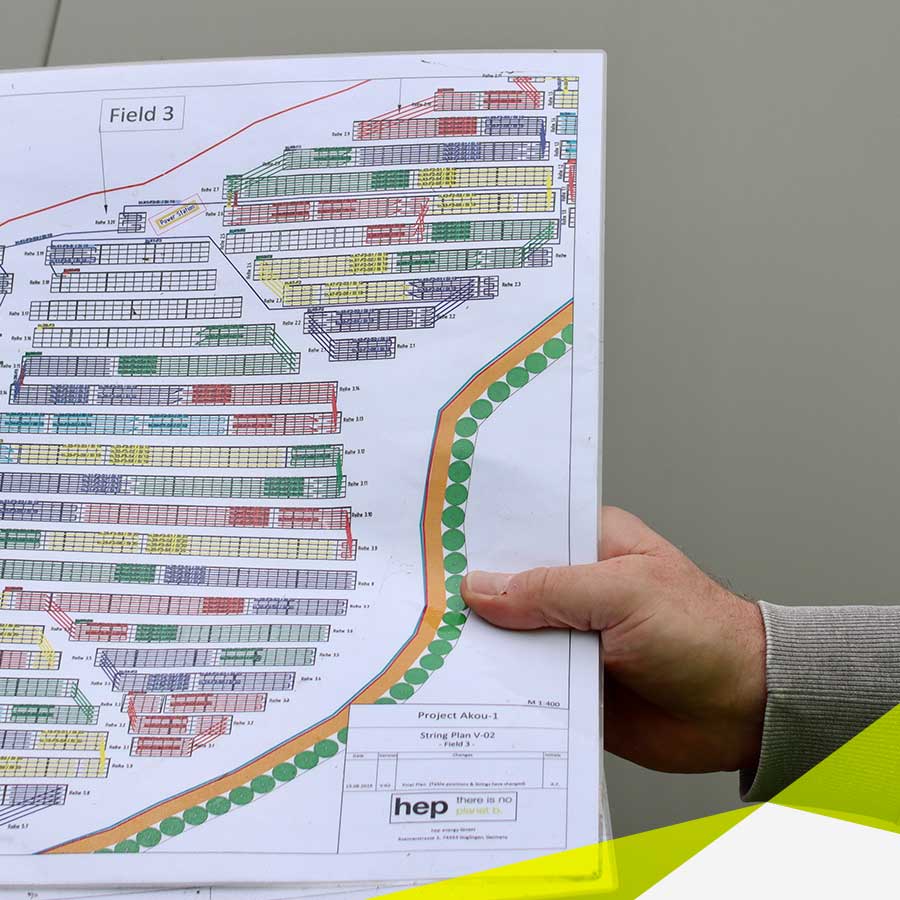
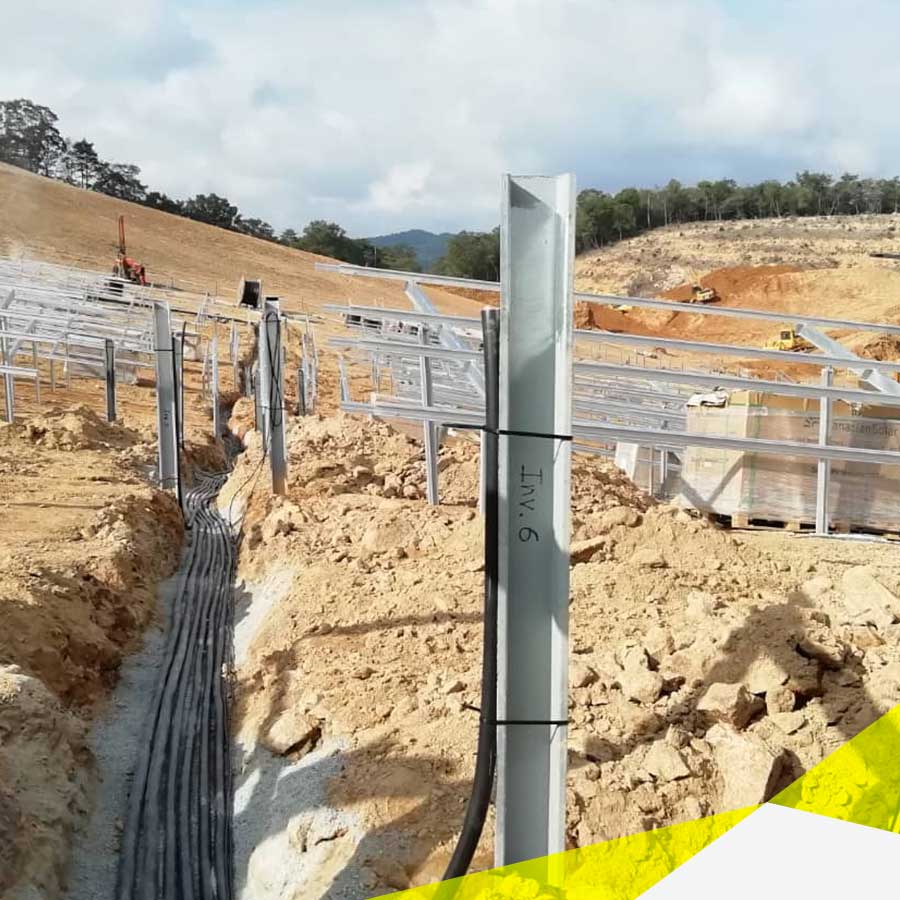
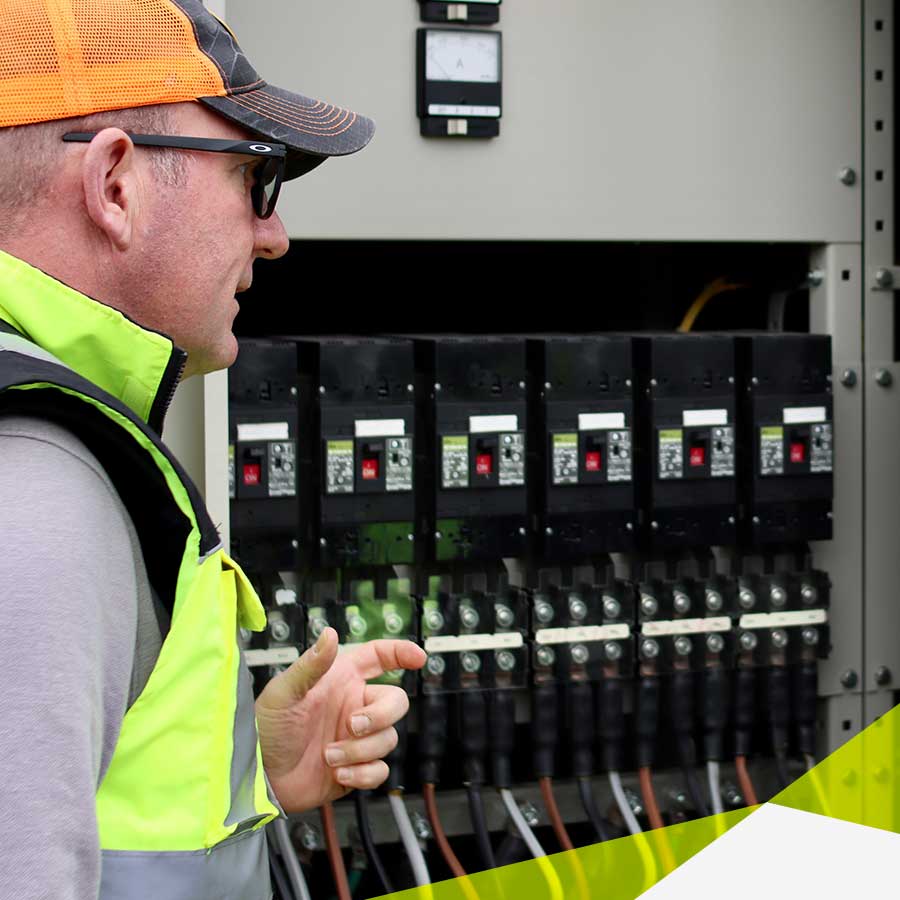
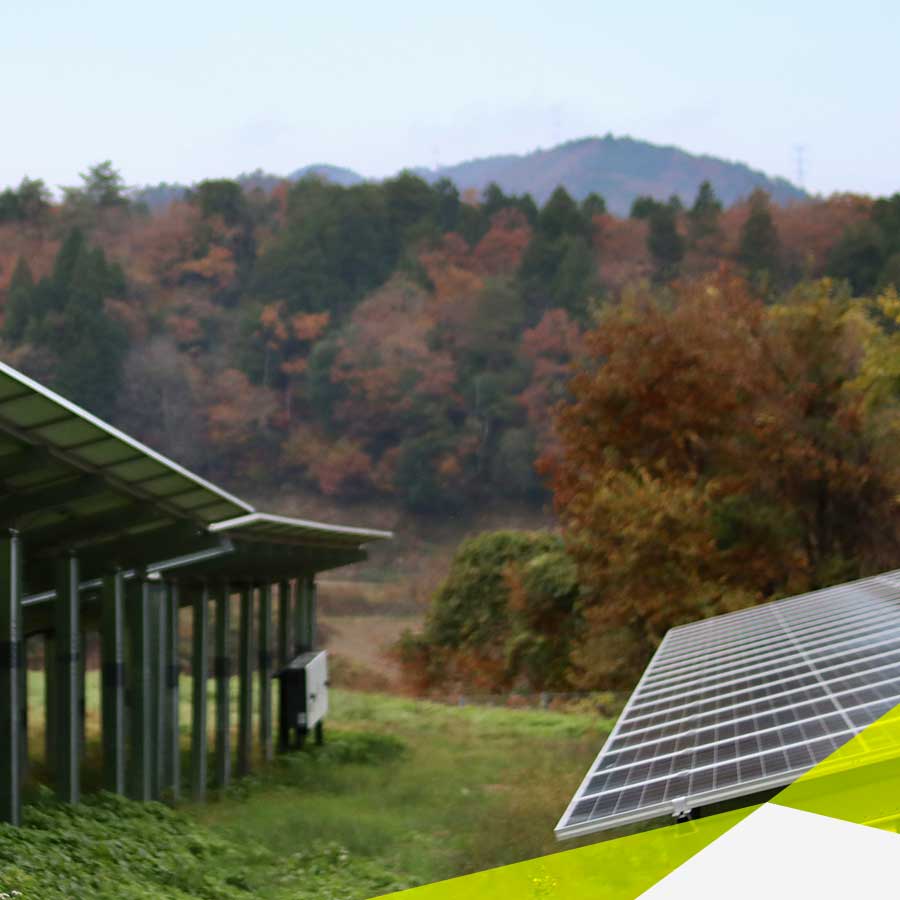
Project developers like hep solar can either purchase or lease suitable land. In practice, leasing is usually preferred because it is economically more attractive for both parties: Landowners benefit from long‑term, stable income — and the project developer ties up less capital over the entire lifetime of the solar park.
Solar specialists develop, build, operate, and finance solar farms all over the world. But what does the work of a project developer actually entail? We offer a glimpse into the development process of our solar farms.
Where Can Solar Installations and Battery Storage Systems Be Developed?
Photovoltaics is a highly versatile technology for generating energy. This means it can be implemented almost anywhere that sufficient land, sunlight, and environmental protection requirements are met. When combined with battery storage systems, solar power becomes dispatchable and can be fed into the grid with a time delay.

Ground‑Mounted Photovoltaics
We develop unused land and brownfield sites to build large‑scale solar installations that deliver renewable energy.

Agrivoltaics
Our agri‑photovoltaic solutions combine agriculture and energy generation on the same land, creating dual value. With our customized agri‑PV systems, agricultural operations become even more resilient, future‑proof, and efficient.

Lease Your Land for Photovoltaics
Unused or hard-to-cultivate land can provide a source of long-term income. We offer a no-obligation assessment of your land’s suitability for photovoltaic development and guide you through every step, from the initial enquiry to project completion.
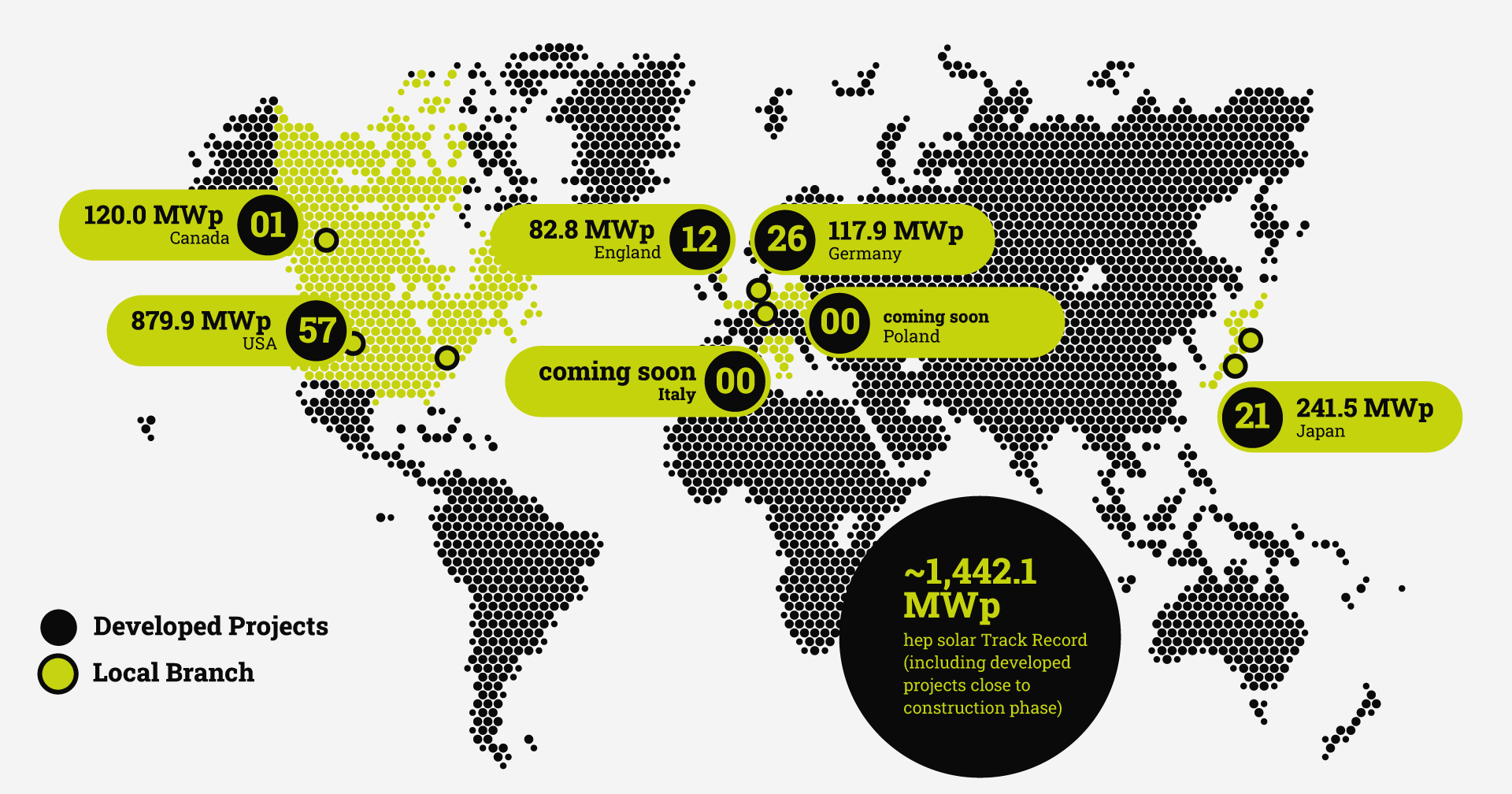
Track Record
Frequently Asked Questions About Photovoltaics
In principle, any area is suitable
… as long as it is not located within a protected zone (nature, landscape, or bird sanctuary) or classified as a peatland or floodplain. However, federal guidelines prioritize sites that are disadvantaged and socially compatible.
Solar Energy
Solar energy is a renewable energy source. Greenhouse gas emissions are generated during the manufacturing of components, the construction of the plant, and its dismantling and recycling.
Resource‑efficient use of materials and the preservation of material cycles are important to us. That’s why we prioritize quality and durability right from the procurement stage and source components exclusively from “Tier‑1” manufacturers certified by BloombergNEF.
The Performance of a Solar Park
… is determined by how much electricity it produces in relation to its size. To assess this, the share of the potential yield that is actually achieved is measured. In other words: its installed nominal capacity is compared with its specific yield. This allows operators to evaluate the system’s efficiency.
Solar Cells
Solar cells are the smallest building blocks of a solar power system.
They consist of thin semiconductor layers that convert sunlight into electrical power.
Solar Modules
Multiple solar cells are connected to form a solar module, which is then protected by glass and a frame.
A module is essentially the finished “solar panel” that is installed on rooftops or ground‑mounted systems.
Solar Parks
A solar park is a large‑scale power generation facility made up of hundreds or even thousands of solar modules.
These modules are mounted on racks and interconnected to produce direct current (DC).
Inverters then convert the DC electricity into grid‑compatible alternating current (AC), which is fed into the power grid.
Availability of Grid Capacity
Before a solar park is built, hep solar’s project development team checks whether the electricity generated can be fed into the existing high‑voltage grid of the local grid operator.
If the available capacity is insufficient, the costs for expanding the grid at the connection point are calculated and evaluated. Only once sufficient grid capacity is ensured is the solar park constructed.
The electricity produced is then distributed to end consumers by the grid operator.
Recycling of Photovoltaic Modules
Photovoltaic modules are primarily made of aluminum, glass, and various plastics. With today’s technology, these materials can be recycled relatively easily. The European Union currently requires a collection rate of at least 85% for the recycling of PV modules. In addition, ongoing research focuses on developing new recycling methods to ensure that no valuable raw materials are lost.
Clear Legal Requirements
At all our locations, strict legal requirements apply to the construction of solar parks and to compliance with environmental protection standards.
Therefore, even before construction begins, we obtain comprehensive environmental assessments that ensure we can meet all regulations and legal requirements once the lease expires — including those necessary for dismantling the solar park and restoring the land to its natural state.
Lease Your Land for Photovoltaics
Your land can make a valuable contribution to the energy transition while also generating attractive long-term lease income. Visit our “Lease Your Land” page to learn more about your opportunities, the next steps, and the benefits of leasing your land for solar energy projects.