

Transform your farmland or pasture into a source of solar power and secure the future of your business. hep solar offers customized solutions for farmers – efficient, sustainable, and built on partnership.


I grew up in agriculture myself – our family farm is both my home and my everyday life. That’s why it is so important to me that photovoltaics not only work from a technical standpoint, but also fit the farm and the people who run it. At hep solar, I am able to combine both: my roots and my expertise in land acquisition. Let’s work together to develop a solution that fits your operation perfectly.
Your Benefits at a Glance
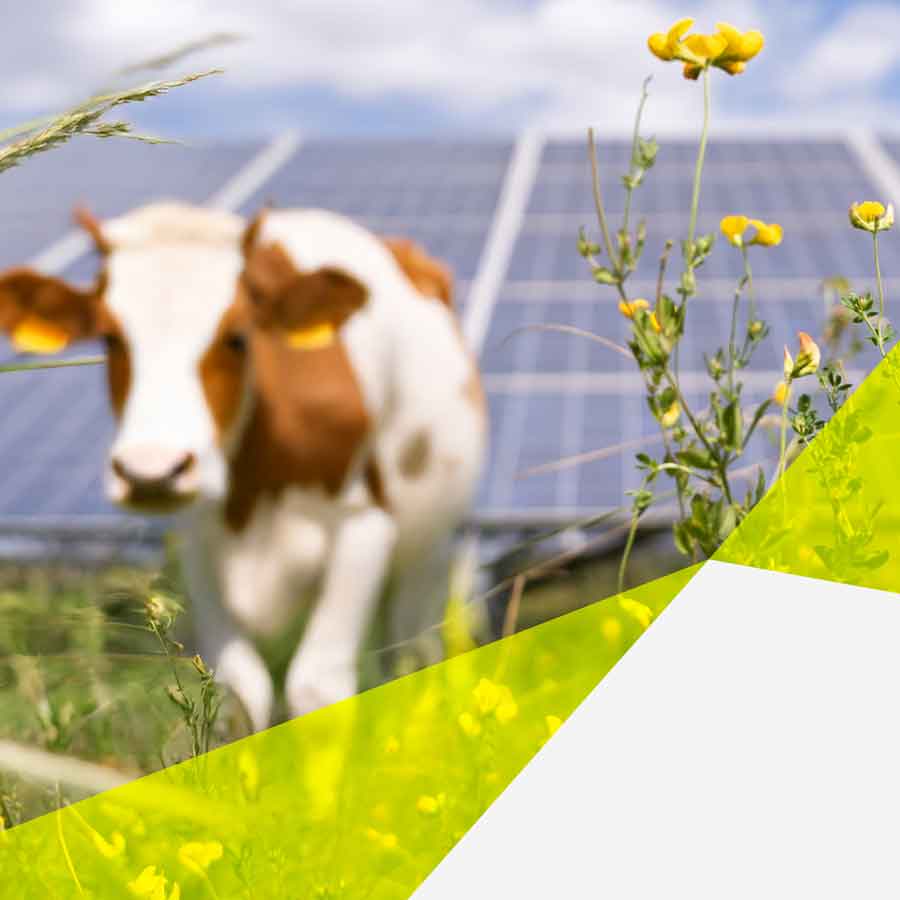
Dual Use of Existing Land

Year-Round Income
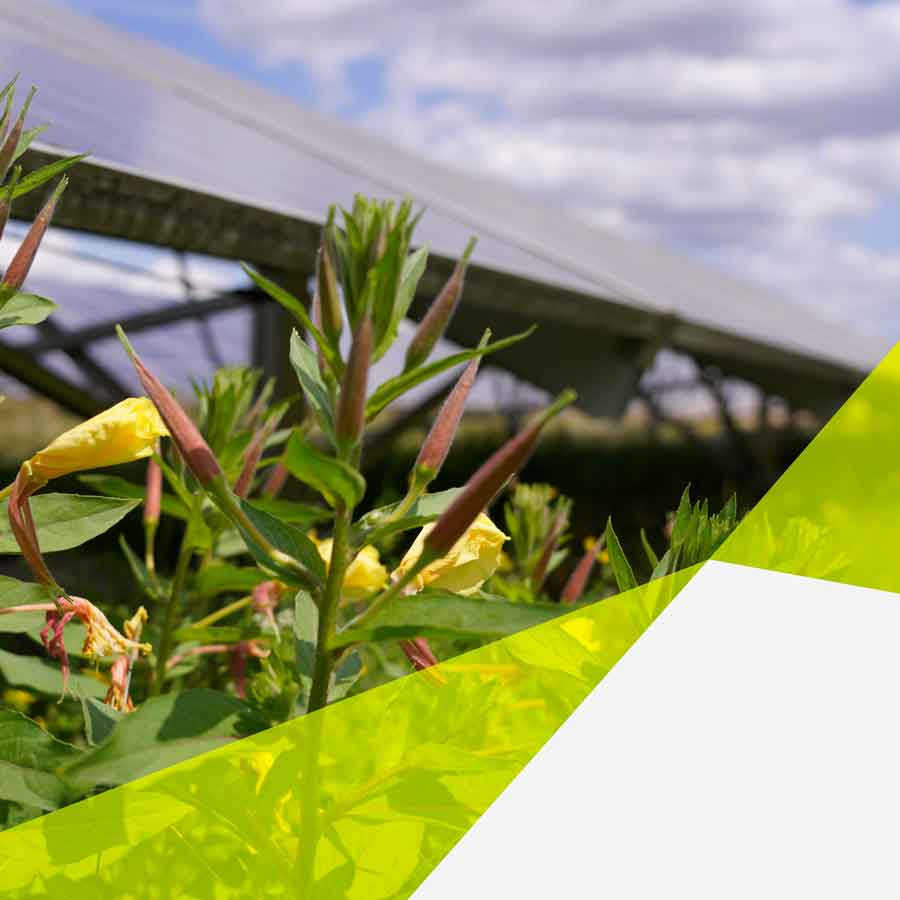
Synergy Effects through Partial Shading
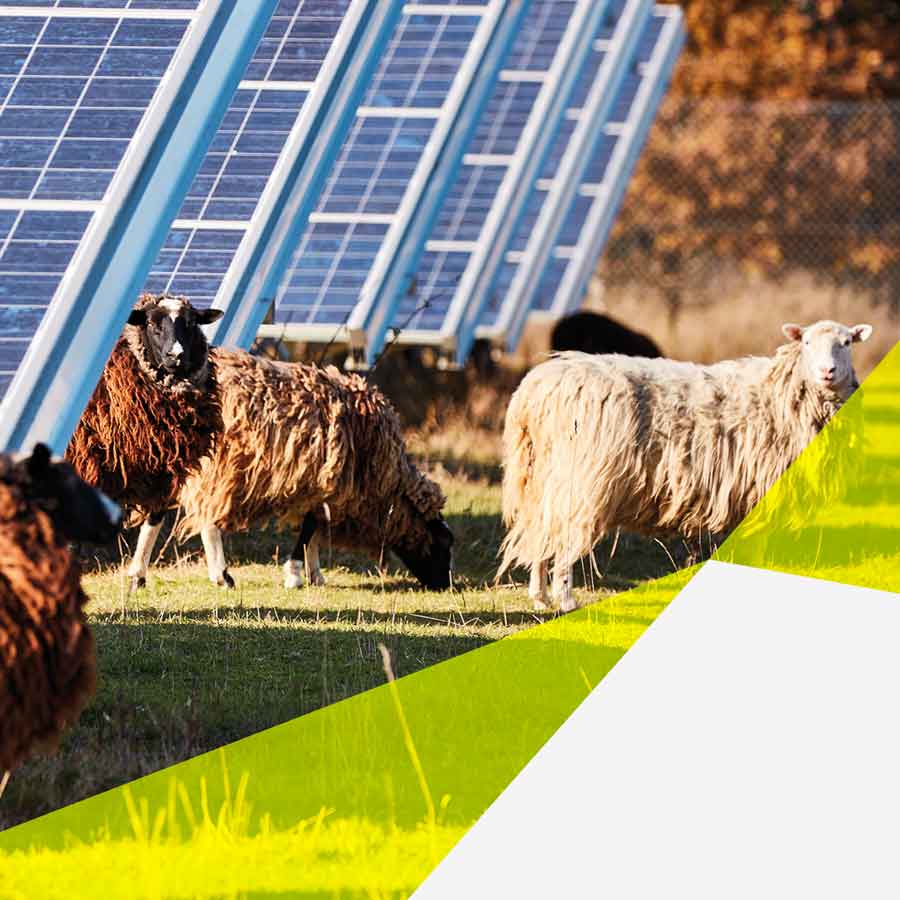
Protection of Animals and Plants from Extreme Weather

On-Site Use of the Generated Electricity
Where can Agrivoltaics be Applied?

Keeping of Grazing Livestock such as Cattle, Sheep, Goats, or Poultry.

Crop farming, Cultivation of Shade-Tolerant Specialty Crops such as Berries, Lettuce, or Tomatoes.

Viticulture Practiced Independently of Specific Grape Varieties
One Field, Additional Yield
Agrivoltaics creates additional income and protects against crop losses. It makes effective use of idle land, supplies electricity for on-site consumption, and increases the independence of agricultural operations from the electricity market.
When Sheep Maintain Solar Fields
Solar grazing, or the animal-based maintenance of ground-mounted photovoltaic systems, is most commonly done by sheep. Instead of regular mowing or the use of chemical agents, the animals naturally keep plant growth under control.

Enhancing Animal and Plant Welfare
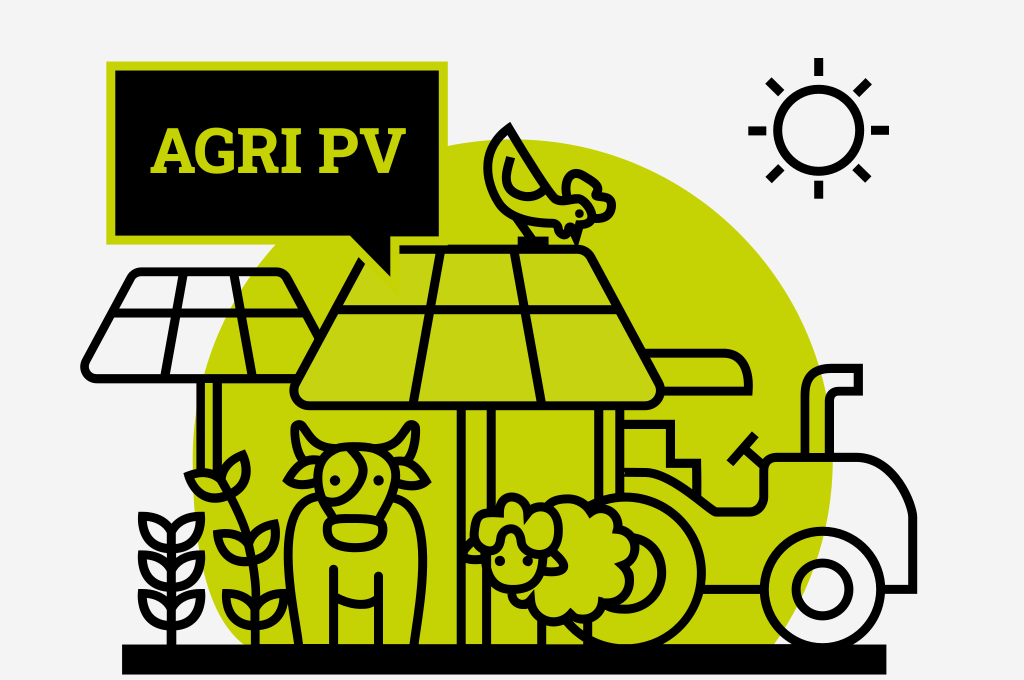
Agrivoltaics offers agroecological benefits for farmers. Animals and plants can find protection under the solar modules from extreme weather conditions such as rain, hail or heat. At the same time, the cooler shaded environment helps regulate the animals’ water balance and prevents the soil from drying out too quickly.
A modulated level of light transmission can also create a beneficial microclimate, particularly for shade-tolerant crops. This can lead to a more uniform ripening and help prevent sunburn and drought stress.
Frequently Asked Questions about Agrivoltaics
Agrivoltaics
Agrivoltaics refers to the simultaneous use of land for both agricultural purposes and solar power generation. Solar modules are installed on fields or pastures, either elevated or arranged vertically. This allows continued agricultural use, such as livestock grazing or crop cultivation. The goal is dual land use and the combination of agriculture with renewable energy production.
Agrivoltaics provides both agroecological and economic advantages.
Crops and livestock benefit from protection against extreme weather (heat, heavy rain, hail) through the modules, and from a more stable microclimate. Farmers can better mitigate harvest losses, as land lease payments ensure year-round income. This creates financial stability and long-term security for agricultural operations.
Yes, agrivoltaics can be economically beneficial:
Farms profit from predictable lease income in addition to ongoing agricultural use. However, profitability depends on factors such as location, crop type, size of the solar system and available subsidies.
Beyond traditional cultivation, shade-tolerant specialty crops such as berries, lettuce or tomatoes are well suited. These benefit from light shading and higher soil moisture. There are also promising case studies in viticulture.
The combination of livestock grazing with agrivoltaics is well established. Cattle, sheep, goats or poultry can use the area beneath the modules and benefit from protection from sun, rain or hail. In addition, the cooler microclimate supports animal welfare. Compliance with standards such as DIN SPEC 91434/91492 should be considered to maintain eligibility for potential subsidies.
Agrivoltaics in Germany
Agrivoltaics is supported through several funding programs in Germany. At the federal level, the Renewable Energy Sources Act (EEG) provides support for certain agrivoltaics systems. In addition, there are state-level programs such as progres.nrw in North Rhine-Westphalia. Banks like Rentenbank also offer financing options, and favorable tax conditions may apply.
Not automatically. In general, the electricity generated by an agrivoltaics system is fed into the public grid and sold to various buyers. As a landowner, primary benefit comes from the lease payments for the land. However, if you are interested in using the electricity for your farm or business, a separate agreement can be arranged – keeping the option open to meet own energy needs directly.

Any More Questions?
Would you like to know how agrivoltaics could fit your farm? Let’s have an introductory conversation — my team and I look forward to hearing from you!
Further Topics of Potential Interest:
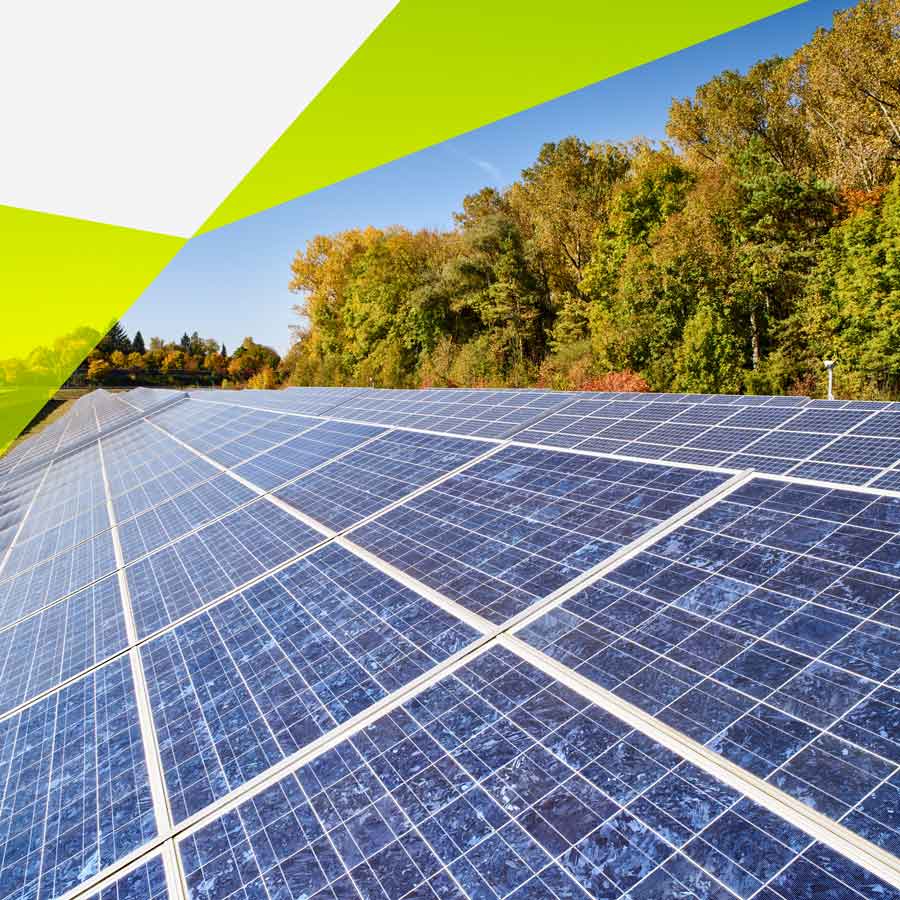
Ground-Mounted Photovoltaics
We develop customized ground-mounted photovoltaic systems on suitable land – and we are continuously looking for new sites that we can lease on a long-term basis.
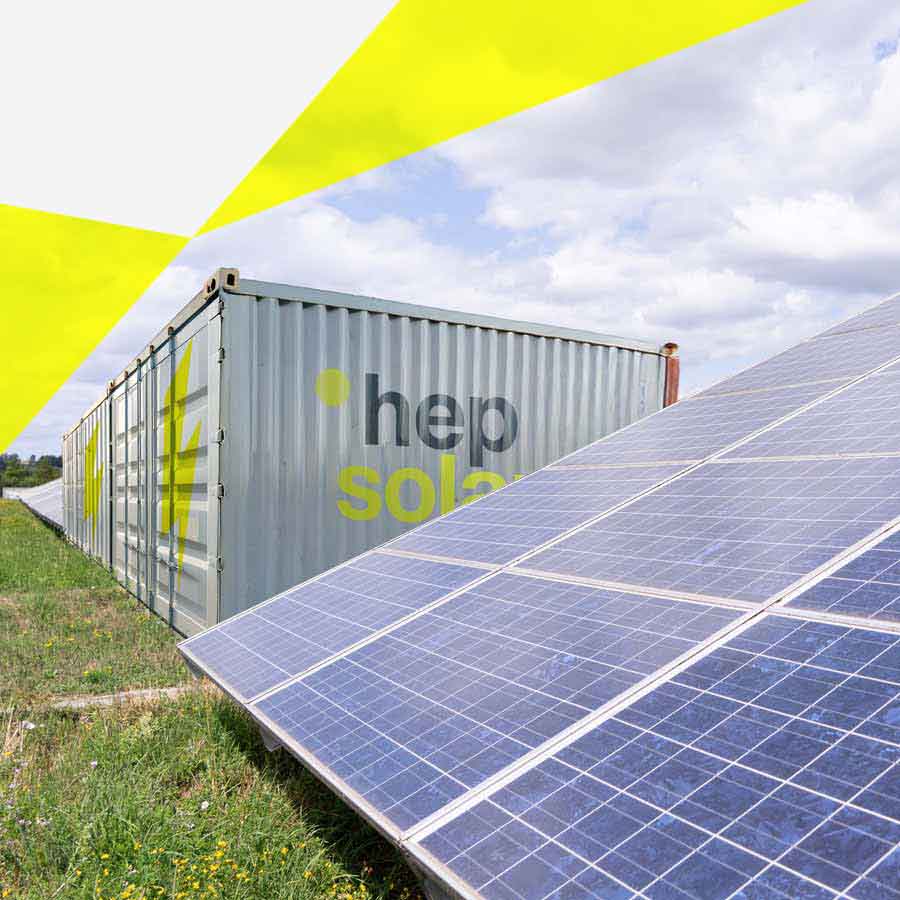
Battery Storage
Smart use of solar power: With battery storage, your system becomes a reliable energy source – day and night.
Repowering
We offer companies an efficient solution for the technical renewal of existing photovoltaic systems – by replacing key components such as modules and inverters. Thereby, we sustainably increase the performance and economic efficiency of the system.
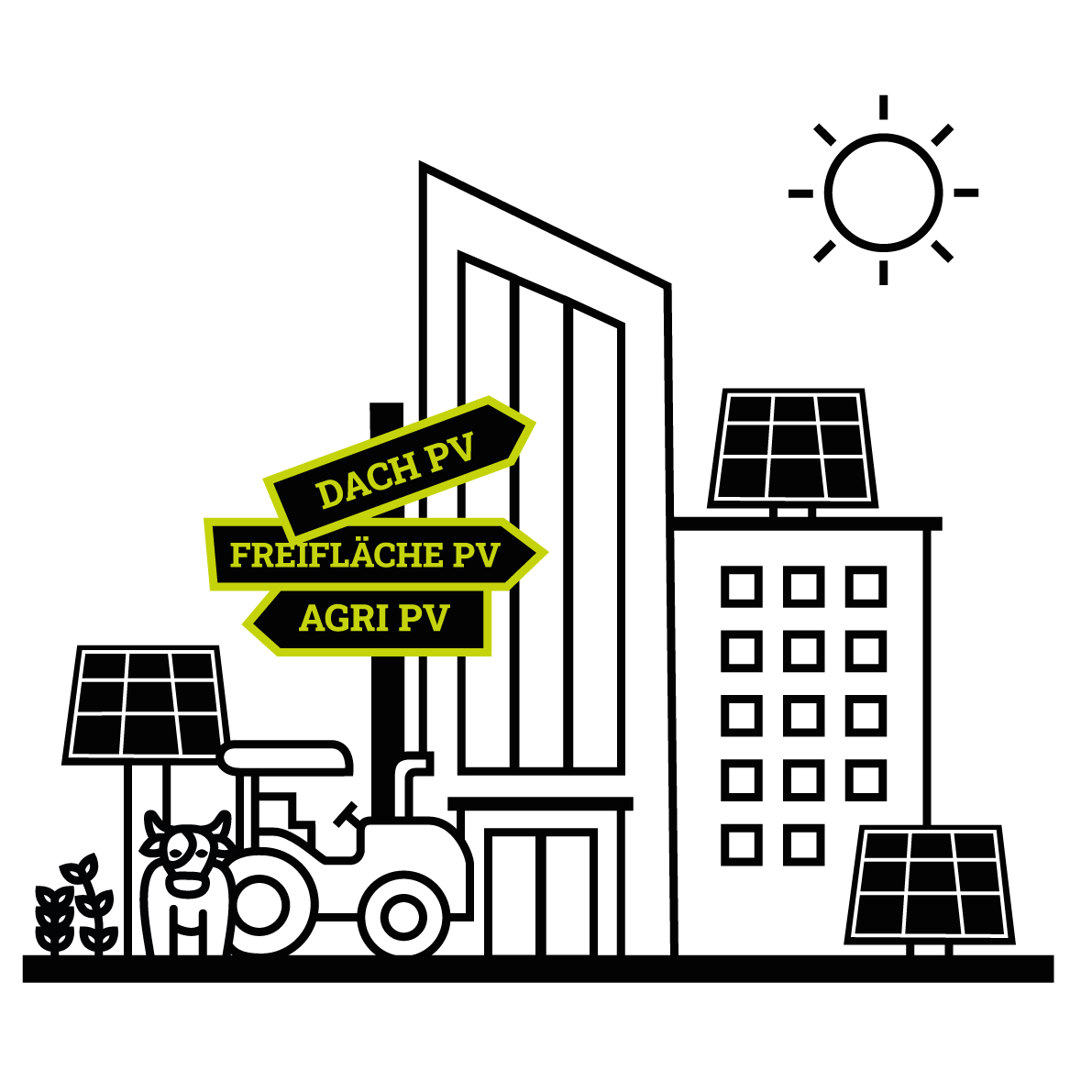
The Versatility of Photovoltaics
Whether on farmland or as a solar park — modern photovoltaic systems offer a wide range of possibilities. Discover how photovoltaics work, what solutions are available, and how you can benefit from them.