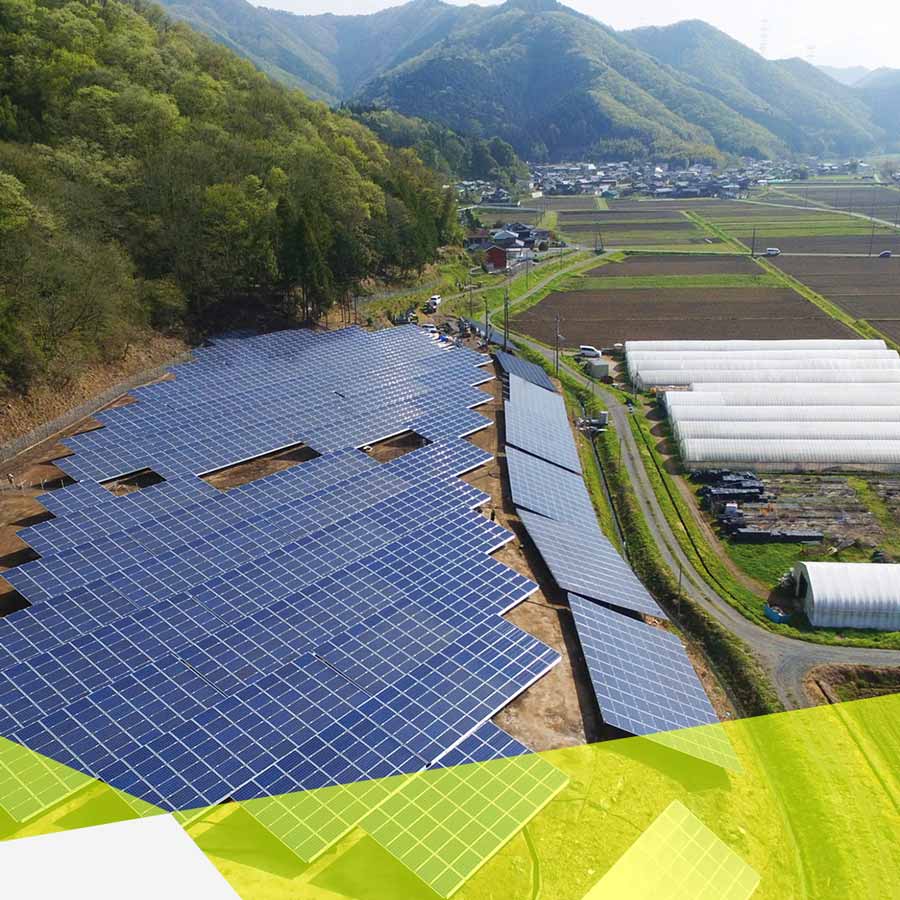
“From our perspective, solar energy will continue to play a very important role in the future. This becomes particularly clear when you look at global electricity demand,” says Christian Hamann, CEO of Güglingen-based solar specialist hep solar.
After all, global electricity demand is set to rise significantly in the coming years. Drivers of this trend include, among others:
- the increasing electrification of industry and key technologies,
- growing global prosperity with changing consumption habits
- the expansion of data centers for AI applications
- and other digitalization projects
Meeting High Electricity Demand: Solar Is a Key Component
“Renewable energy—and solar energy in particular—must and will be at the heart of this transformation. When we look at the various forms of electricity generation, it becomes clear that photovoltaics will be indispensable for meeting demand and will be a key component in meeting future energy needs based solely on market mechanisms,” said Hamann.
Although renewable energy sources cannot single-handedly meet the entire electricity demand, they are nonetheless essential for achieving sustainability goals and meeting electricity demand in the short term. Solar energy can be implemented quickly and is now one of the most cost-effective energy sources. In contrast, power generation using fossil fuels or nuclear power plants involves approval processes lasting five to ten years and equally long lead times, making them unsuitable for meeting the increased demand for electricity in the short to medium term.
In addition, solar energy can be used flexibly—from large-scale solar farms to decentralized solutions on roofs and facades. Combined with storage technologies and smart grids, it forms the backbone of a sustainable, resilient, and affordable electricity supply.
Solar Investments Can Support the Expansion of Solar Energy
Those who wish to support the expansion of solar energy can, for example, invest in so-called solar funds. These are investment funds that focus on infrastructure in the photovoltaic and solar energy sectors. Investors collectively participate in a fund, with the investment amount depending on their individual investment preferences and the minimum investment amount for the respective product. Depending on the fund’s investment strategy, solar power plants at various stages of development can then be acquired. For example, project rights or solar projects could also be acquired. Grid-connected systems generate electricity, which is sold through fixed feed-in tariffs or long-term power purchase agreements. It is also possible to sell the investment at a later date. The goal of such investments is to create sustainable return opportunities while promoting the expansion of solar energy.