

You own unused land and would like to lease it for a solar park? As a landowner, you secure a long‑term source of income — while we develop and operate a high‑performance solar park on your property. This turns your land into an active contribution to the energy transition, and you benefit from attractive lease payments.

Bruno Belfort | Senior Director Project Development
As part of hep, I accompany projects from the initial idea all the way to successful implementation. Together with our specialists, we develop solutions that combine solar energy and battery storage — for maximum efficiency and true independence. With experience and dedication, I am here to support you in driving the energy transition forward — together.

Requirements for Photovoltaics on Your Land

Land Size and Topography: Is your land at least 5 hectares in size, relatively flat, and characterized by stable soil that is neither too rocky nor too wet?

Sunlight Exposure and Grid Connection: Is your land located in a sunny region and near a high‑voltage grid connection point?

Legal and Environmental Suitability: Is your land located outside protected areas, and are there no known environmental or zoning restrictions?

hep solar as a Partner
As a family‑owned German company, we bring our global solar energy expertise directly to your land — personal and reliable.
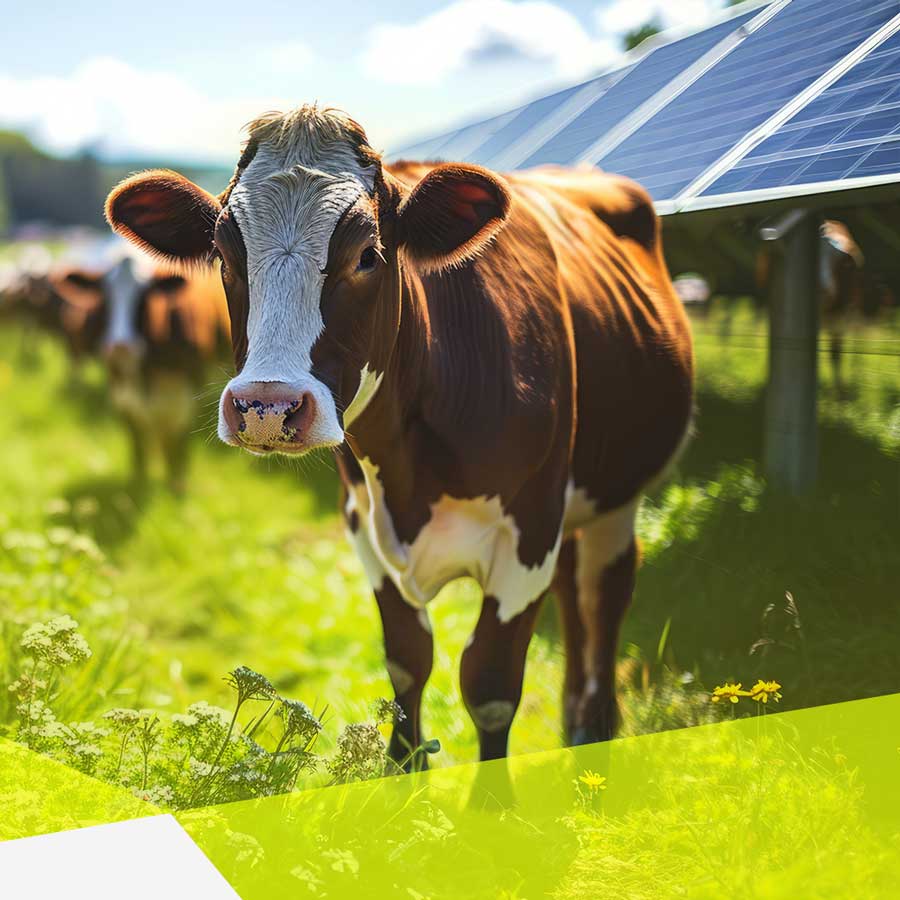
Combining Agriculture and Energy Production?
One Area, Double the Benefit: Agri‑photovoltaics can offer farmers both economic and agro‑ecological advantages, helping secure the long‑term viability of their operations.
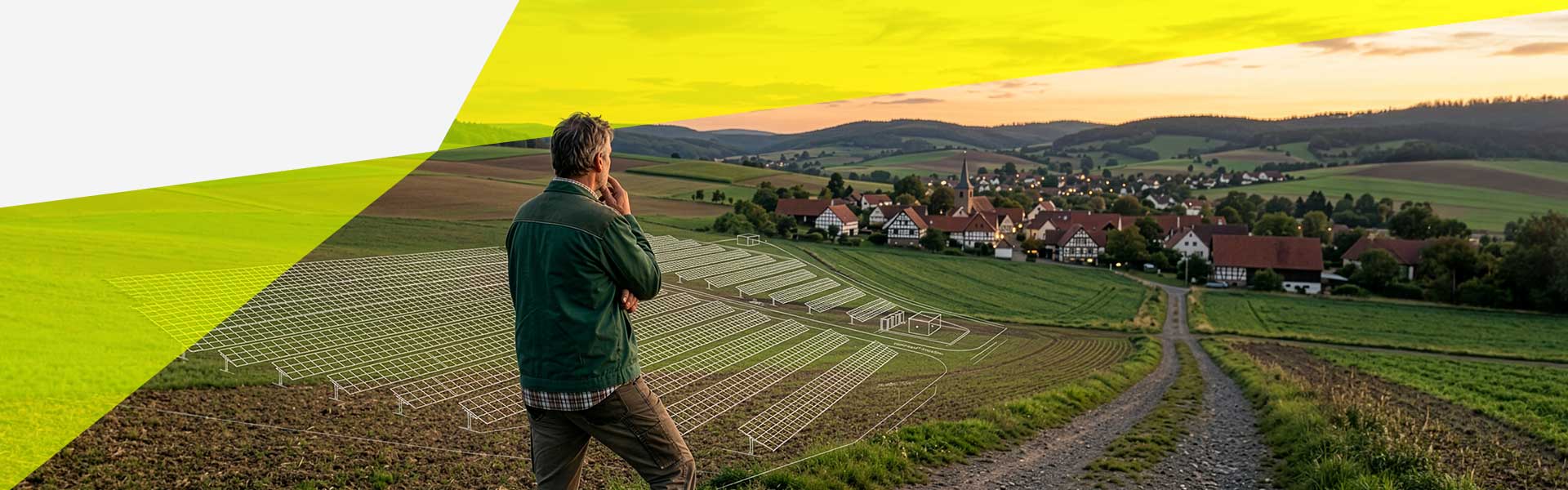
Are You a Landowner?
Turn your land into a valuable asset for the energy transition and secure reliable long-term lease payments.
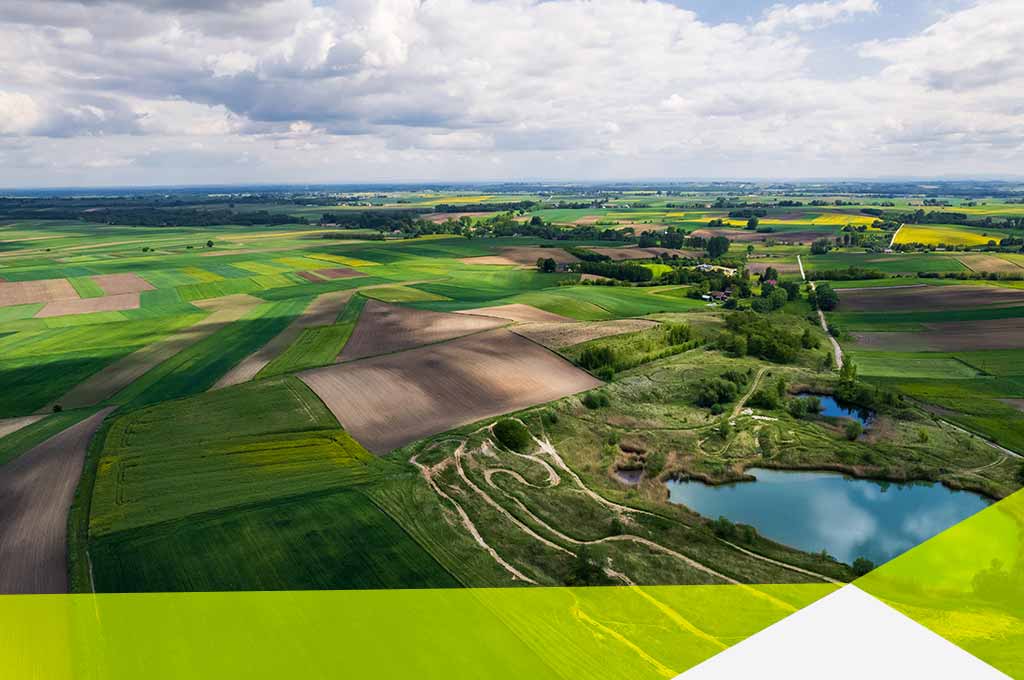
These Areas Are Potentially Suitable for Photovoltaics


In 4 Steps to a Solar Park on Your Land
Site Assessment
Our experts analyze the location, soil, and surrounding area — free of charge and directly on site. You will receive feedback promptly.

Lease Offer
You send us a few key details about your land online — completely without obligation. We then assess whether it is suitable for a solar park.

Development Phase
We develop a tailored concept — including all permits, environmental assessments, and project planning.
Implementation
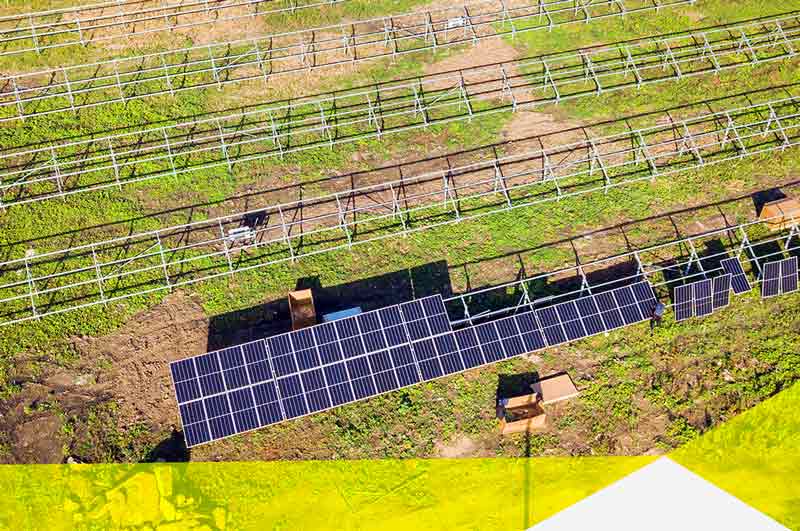
After all permits and approvals have been granted, we take over construction, operation, and maintenance. There is no effort required on your part — but you benefit from regular income.
Frequently Asked Questions About Ground‑Mounted Solar Installations
Key Facts for Ground‑Mounted Solar Installations
In principle, all areas are suitable that are not located within nature, landscape, or bird protection zones and are neither peatlands nor flood-prone areas. Priority is given to sites classified as disadvantaged and whose use is considered socially compatible.
According to the IÖR Monitor (Leibniz Institute of Ecological Urban and Regional Development), most installations are located in Brandenburg, Saarland, Saxony‑Anhalt, and Bavaria.
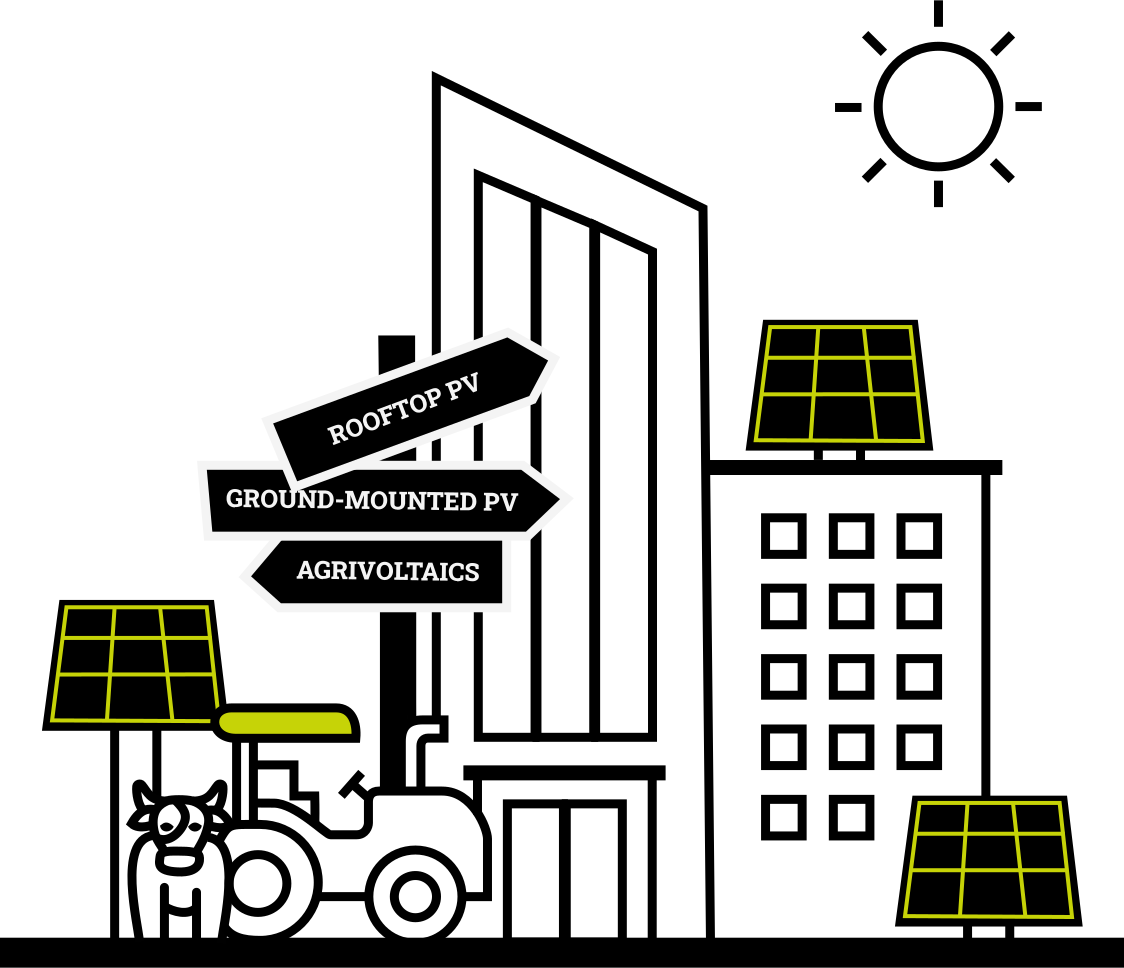
Various types of land can be considered for photovoltaic installations:
- Previously used or sealed areas such as conversion and brownfield sites, parking lots, or landfills
- Agricultural land such as arable land or pasture
- Special locations such as drained peatlands or reservoirs
- Areas along transportation routes such as highway or railway margins
Generally not. The electricity generated is fed into the public grid and marketed. As the landowner, you primarily benefit from the lease payments. However, it can be contractually arranged that you use part of the electricity directly, if desired. This model is particularly suitable for industrial enterprises, as their high energy demand allows them to benefit even more from direct on‑site consumption.
The amount of the lease depends on factors such as location, grid connection, and the applicable legal framework. For an individual assessment, please use our online contact form. There, you can provide details about your property and receive tailored advice on potential lease rates and next steps.
Payments typically begin once the solar park has been completed and commissioned. Details regarding the start date, payment intervals, and contract duration are specified in the lease agreement.
The duration depends on the size and location of the project. In general, solar parks are among the energy systems with the shortest development and construction timelines — typically between 1 and 3 years.
Negative electricity prices occur when more power is produced than consumers actually use. This often happens around midday, when many solar installations generate high output simultaneously, leading to excess supply. If this surplus electricity is no longer needed on the energy market, prices can drop into negative territory.
Battery storage systems can help in these situations: They absorb excess electricity and feed it back into the grid later. This eases the burden on the power system — and ensures that clean solar electricity is not wasted.

Do You Have Any Other Questions?
You’re wondering whether your land meets the requirements for a solar park? We help you assess the suitability of your open land in advance — so you have clarity from the very beginning.
Additional Topics You May Also Be Interested in Besides Ground‑Mounted Solar Installations:
Battery Storage
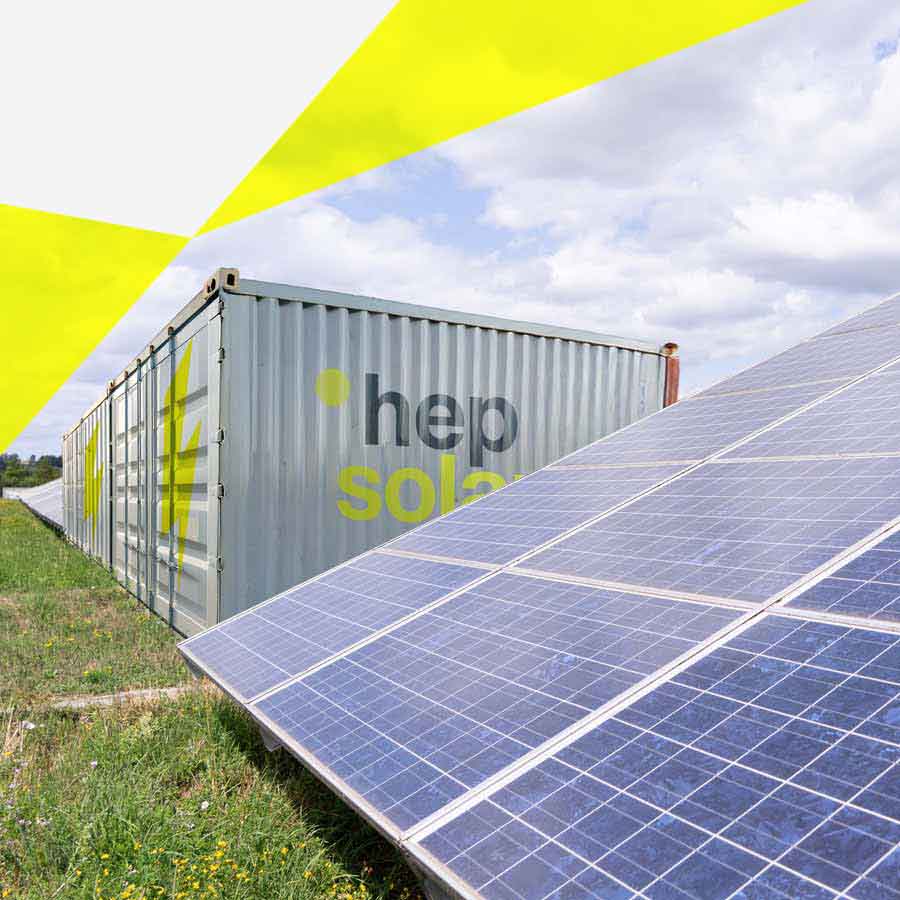
Use solar power smartly: With battery storage, your system becomes a reliable energy source — day and night.

Agri‑Photovoltaics
Our agri‑photovoltaic systems combine clean energy generation with agricultural use — ideal for farms looking to increase the economic value of their land.
Repowering
We offer companies an efficient solution for the technical renewal of existing PV systems — by replacing key components such as modules and inverters. This sustainably increases the performance and economic efficiency of your installation.
From Land to Future: Solar Parks in Focus
What begins as an unused piece of land becomes a centerpiece of the energy transition. Solar parks are more than just large solar installations — they are complex, high‑performance systems with enormous potential. Discover how a solar park works, which projects we have already implemented, and what you should know about technology, planning, and operations.