


Our biodiversity‑focused solar projects combine clean energy production with active nature conservation. When planned and implemented thoughtfully, solar parks can create thriving habitats and significantly enhance the ecological value of the land.
In the long run, biodiversity benefits everyone—nature, the climate, and local communities.

Protecting Habitats
Solar parks can offer safe, undisturbed spaces for plants and wildlife, helping preserve habitats and support essential ecological functions.

Strengthening Climate Resilience
A nature‑friendly design makes solar parks more resilient to extreme weather events such as heavy rainfall.

Working Together
By partnering with local stakeholders, we create projects that strengthen both the environment and the surrounding community.

Building a Positive Reputation
Biodiversity‑friendly solar parks help strengthen public perception and build lasting trust.

Leveraging Regulatory Incentives
Regulatory incentives and funding programs support the implementation of ecological standards.
How Solar Parks Can Help Reverse the Trend
Biodiversity is under threat worldwide—but there are ways to stop the decline. Biodiversity‑friendly solar parks can play a meaningful role in restoring nature and protecting species: they combine sustainable energy production with targeted measures that support ecological diversity. Depending on how we address the drivers of biodiversity loss, very different future scenarios can unfold.
The graphic illustrates how biodiversity could develop by 2050—depending on whether we take action today or continue with business as usual.

Learn More About Biodiversity
Biodiversity refers to the variety of life on Earth—ranging from genetic diversity within a species, to the diversity of species themselves, all the way to the richness of habitats and ecosystems. It is the foundation of healthy ecological cycles and functioning natural systems, playing a vital role in the survival of all living organisms on our planet.
Nearly every human-made product—from food and pharmaceuticals to textiles—relies on natural resources and therefore depends on a healthy environment. Every day, we benefit from so‑called ecosystem services provided by nature. Here are a few examples:
- Rainwater is naturally filtered because soil and vegetation act like a biological purification system.
- Soils remain fertile thanks to microorganisms and plants that recycle nutrients and build humus.
- Plants perform photosynthesis, producing oxygen and absorbing CO₂—crucial for clean air and climate protection.
These processes aren’t technical services; they are natural functions of healthy ecosystems. The availability of raw materials and the reliability of these essential services depend directly on intact habitats and high biodiversity.
Biodiversity is under increasing pressure from human activity, putting the variety and stability of natural systems at risk. Several key drivers directly contribute to the decline of species and the disruption of ecological functions:
- Resource overuse: Excessive extraction of natural resources such as forests, fish stocks, and freshwater
- Pollution: The release of harmful substances into the environment—from industrial waste to agricultural chemicals and everyday human waste
- Climate change: Shifts in climate patterns caused by human activities, including the burning of fossil fuels and deforestation
- Land‑use: The transformation of natural habitats for agriculture, urban development, or industrial purposes
- Invasive species: Non‑native species introduced into ecosystems that disrupt natural balances
If we fail to take action, the damage to both nature and society could become irreversible.
- Ecosystem Diversity: Different habitats—such as forests, grasslands, wetlands, and aquatic environments—each provide unique conditions for plants, animals, and microorganisms. Together, they contribute to the stability and resilience of natural systems.
- Species Diversity: This refers to the number and variety of animal, plant, and fungal species within a specific area or across the globe. Each species plays a distinct role within its ecosystem.
- Genetic Diversity: This level encompasses the genetic differences among individuals of the same species. Genetic diversity is essential for adaptability and resilience, especially in the face of environmental change.
How We Design Solar Parks That Support Biodiversity
A nature‑friendly solar park doesn’t happen by accident—it’s the result of careful planning and responsible implementation. From choosing the right location to selecting materials, we follow a defined process that considers ecological and social factors equally.
Our seven steps show how we put sustainability into practice throughout the entire lifecycle of a solar park—transparent, traceable, and always with a focus on protecting biodiversity.
Choosing Locations With Nature in Mind
We select areas with low ecological value or land that is already in use. These locations typically show reduced biodiversity or have been impacted by previous land use. By prioritizing such sites, we help protect natural habitats. As part of the process, we carefully assess any initial impact on local wildlife, plant life, and unique ecological characteristics.
Biodiversity by Design
Our solar park layouts are designed to support biodiversity: corridors and buffer zones between module rows create habitats for wildlife, while low‑growing vegetation provides food and shelter for insects and small animals.
Joining Forces for Sustainability
We collaborate closely with environmental organizations, authorities, and local communities. This ensures that each solar park is not only environmentally responsible but also socially sustainable.
Choosing Sustainable Components
Sustainability starts with the materials we use. We work with suppliers whose components can be evaluated for recyclability and long service life. Circular‑economy principles—fewer virgin resources, more reuse—are a recurring part of our conversations with key suppliers.
Operating With Respect for Nature
A nature‑friendly land management approach supports plant growth and protects local biodiversity. We regularly monitor ecological impacts and adapt our measures whenever necessary.
Conserving Resources Through Recycling
Our procurement decisions at the start of each project help ensure that, at the end of a solar park’s lifecycle, as many materials as possible can be reused and reintroduced into the resource cycle.
Ongoing dialogue with research institutions, recycling companies, and manufacturers allows us to continually improve our procurement and end‑of‑life processes.
Turning Solar Parks Into Habitats
Once the planning phase is complete, real‑world implementation begins. To ensure our solar parks not only generate climate‑friendly electricity but also contribute to local biodiversity, we rely on ecological land management.
On‑site, we shape each area according to our biodiversity concept—preserving existing habitats and creating new ones. Every measure is tailored to the specific location and demonstrates how renewable energy and nature conservation can go hand in hand:
Less than 40% Area Coverage
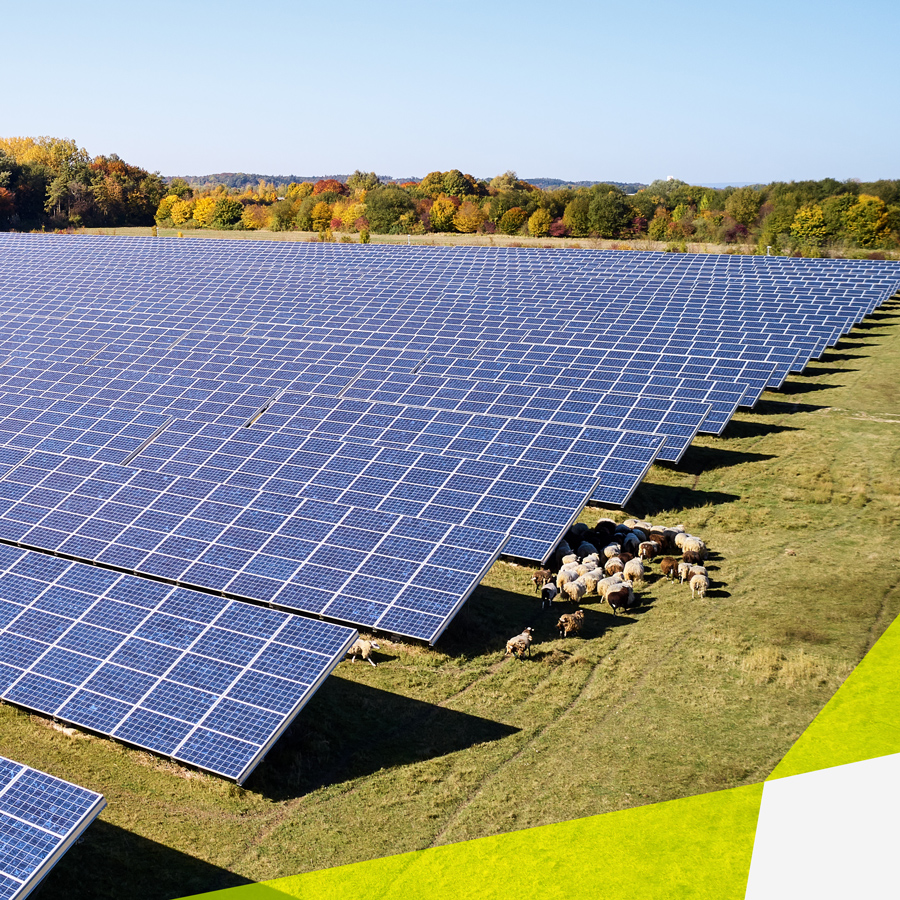
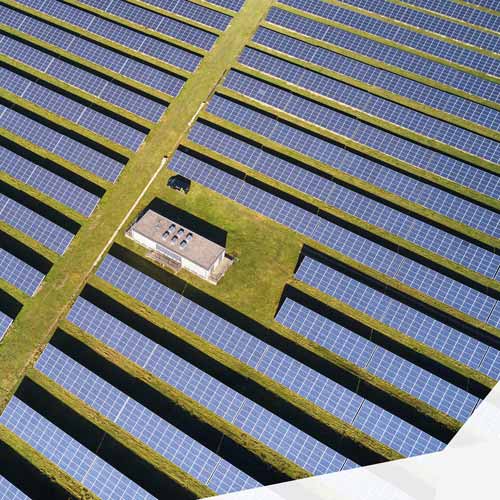
We limit module coverage to a maximum of 40% of the area, ensuring that enough sunlight and rain reach the ground. With optimal south‑facing orientation and a row spacing of about 4 meters, agricultural use is even possible.
Diverse Vegetation
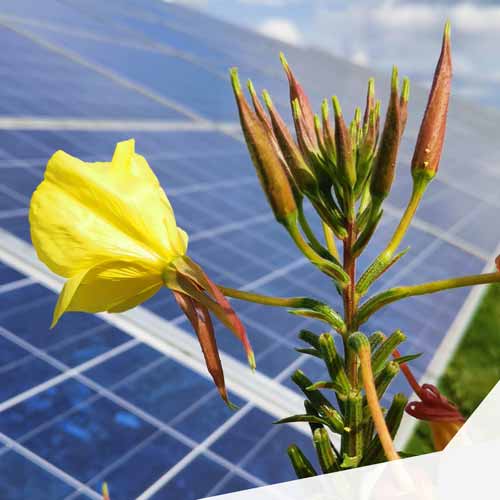
We boost biodiversity through natural growth or carefully selected seed mixes that create a wide range of habitats for insects and wildlife.
Grazing Animals as Ecological Helpers
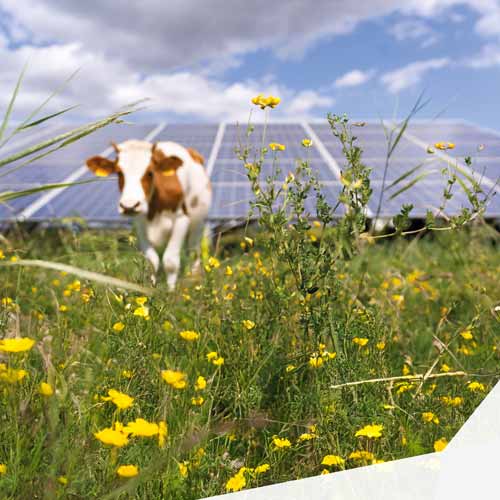
Using grazing animals allows for nature‑friendly land management that preserves habitats and supports ecological balance.
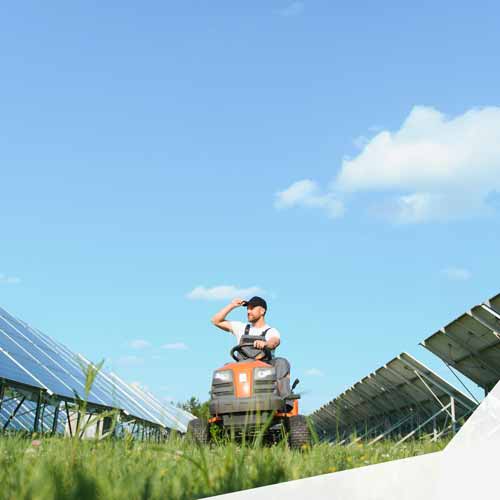
Gentle Maintenance
With minimal machine use and selective mowing instead of mulching, we avoid soil compaction and reduce nutrient input—helping protect natural soil structure.
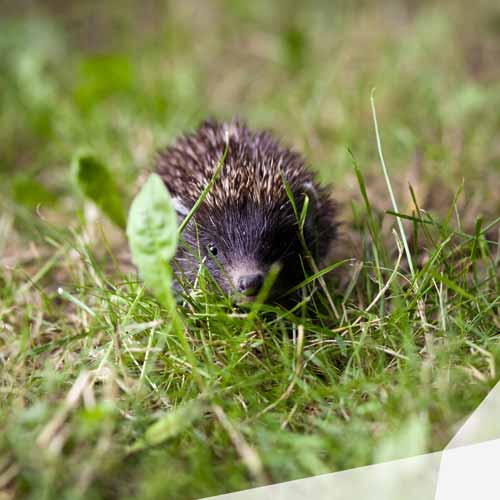
Permeable Fencing
Our fences include dedicated openings that allow small mammals, such as hedgehogs and hares, to move freely in and out of the area.
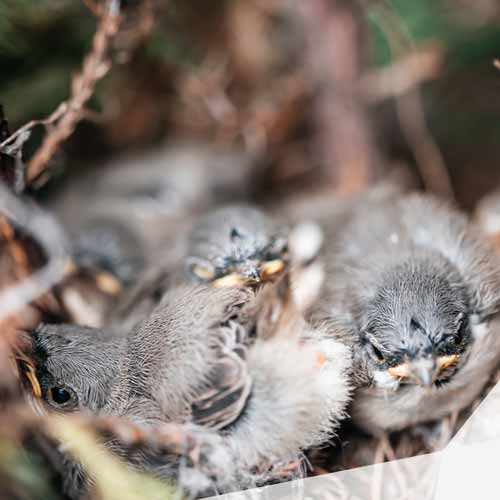
Protecting Ground‑Nesting Birds
We implement targeted measures to preserve nesting sites of ground‑nesting bird species and safeguard their habitats over the long term.
Beyond Biodiversity: Our Additional Impact Value Chains

Circular Economy
We prioritize the recyclability of technical project components to conserve resources and strengthen the circular use of raw materials.

Community Engagement
We actively foster dialogue and collaboration with local communities to create projects that deliver lasting social value and support sustainable regional development.

Avoided Emissions
As a low‑carbon energy source, solar power supports a future‑oriented energy supply and reduces CO₂ emissions across the energy system.
Our Environmental Responsibility
Biodiversity is an essential part of our holistic approach to sustainability. Together with our additional impact value chains, it helps us build a future where ecological, social, and economic responsibility go hand in hand.
Discover our sustainability strategy—the guiding framework that connects all these efforts.